The dyslexic advantage: A love letter to parents (part two)
In part one [link to blog 1] I shared my story of growing up with dyslexia to help parents realise what an incredible superpower dyslexia is. Here I suggest some ways to interact with your dyslexic child, from the point of view of someone who was once in their shoes.
What this means for your journey with your child
Reframe the narrative
Instead of “My child has a learning disability,” try “My child has a learning difference that comes with incredible gifts.”
Instead of “They’re behind,” try “They’re developing skills their peers won’t have for years.”
Instead of “This is so hard,” try “We’re building resilience and creativity that will serve them for life.”
Celebrate the differences
When your child shows you their homework covered in doodles and diagrams, don’t see distraction, see visual thinking in action. They might just be the next Marvel comic genius.
When they can’t remember how to spell words but can build elaborate structures, don’t see failure, see spatial intelligence developing.
When they struggle with traditional reading but tell amazing stories, don’t see deficiency, see narrative genius emerging. Yes, they really are clever in different ways.
Focus on strengths first
For every hour you spend on remediation, spend two hours developing their natural gifts. Art classes, building projects, storytelling time, strategy games. Feed their strengths while you support their challenges. It will build their confidence, and it will be fun. It will build your emotional relationship together.
I spent so much time trying to fix my reading that I almost missed developing my storytelling gifts. Don’t let that happen to your child. There skills are the skills of the future especially with AI storming forward.
The tools and strategies that changed everything
Technology is your friend
Audiobooks aren’t cheating, they’re giving your child access to stories and information at their intellectual level. I’ve recently got on board the audio bus and I can tell you it’s way less stressful listening than reading, even as an adult with coping skills. Audiobooks relax my mind and let my creative brain take over.
Text-to-speech software, voice recording apps, and visual organisers are tools that level the playing field. Search them out and give your child the leg up they need.
Multi-sensory learning
The magic happens when you engage multiple senses. When I finally learned to read fluently, it was through programs that combined visual, auditory, and kinaesthetic learning. I also found the exercises in the book “The Gift of Dyslexia” by Ronald D. Davis to change the way my brain saw words. The model clay work is very helpful and great fun for young brains.
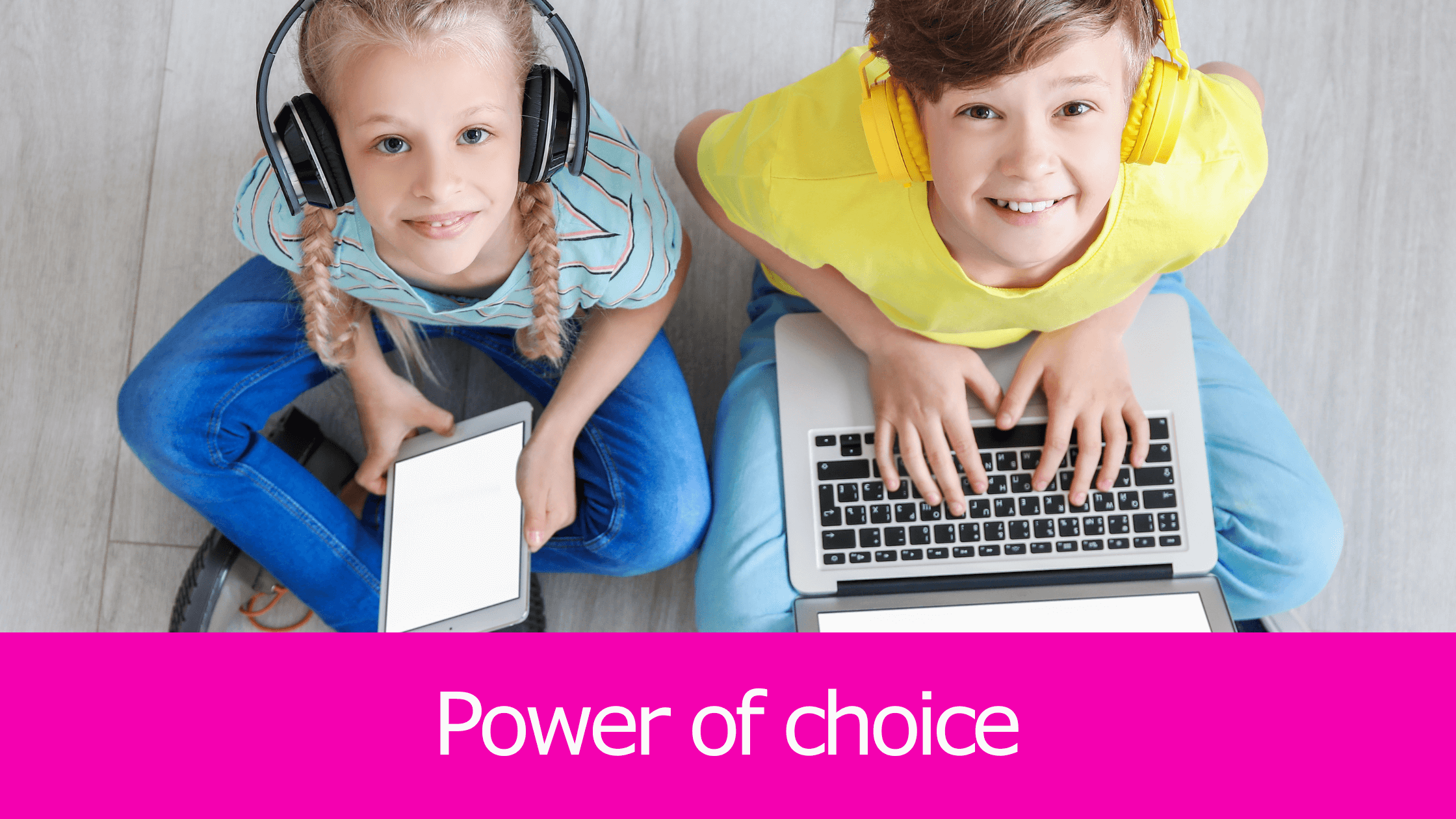
The power of choice
Give your child options for how they show what they know. Can’t write an essay? Let them create a presentation, make a video, or build a model. The goal is demonstrating understanding, not conforming to one format. If only schools could catch up!
Your child’s future is extraordinary
I need you to understand something crucial: Your child is not broken, behind, or less capable. They’re developing differently, and that difference will become their greatest strength.
In school
Yes, they’ll need support. Yes, you’ll need to advocate for them. But focus on progress, not perfection. Celebrate every breakthrough, no matter how small. Think of new ways to reach the same goal as their peers.
My reading skills developed slower than my peers, but my comprehension and analytical thinking were always advanced. Your child might follow a similar pattern.
In their career
Dyslexic adults are overrepresented among entrepreneurs, creative professionals, and innovative thinkers. We’re natural problem-solvers, big-picture thinkers, and creative innovators. The Arts are full of us! The weirdos from school now have a place to call home.
The skills your child is developing now are resilience, creative thinking, visual processing, and innovative problem-solving. These are exactly what the future economy needs, even as AI becomes a more powerful force.
In life
Your child will grow up knowing they can overcome challenges, think differently, and succeed on their own terms. They’ll have empathy for others who learn differently, strength from overcoming obstacles, and confidence from discovering their unique gifts.
A letter from me to your child
Dear amazing kid,
Right now, reading might feel impossible, and homework might make you want to cry. I know because I felt that way too.
But I want you to know a secret: Your brain is special. Not broken. You see things other people miss. You think of solutions other people never consider. You have ideas that are brilliant and unique. All these skills are needed in our new AI driven world. Robots can’t think like us, we are special.
The reading will get easier. The spelling will improve. But more importantly, you’ll discover that your different way of thinking is your superpower, and it can’t be replicated.
One day, you’ll use your visual thinking to create something amazing, maybe a film or to write a book like me. You’ll use your problem-solving skills to help people. You’ll use your unique perspective to see opportunities others miss. You might start your own company and rule the world… just be kind while doing it.
Keep going. Keep trying. Keep being wonderful.
Love,
Pauline (who was once exactly where you are).

For the parents: You’re not alone
This journey can feel lonely, but you are a part of an incredible community. Parents of dyslexic children often become the strongest advocates, most creative problem-solvers, and most supportive cheerleaders. Go search out your support network in your local area. If there isn’t one start one and message me. I love to see people advocating for our dyslexic cause.
What you can do today
- Celebrate one thing your child did differently this week that showed their unique thinking
- Find one strength-based activity they can excel at
- Connect with other dyslexic families to share your journey together
- Remind your child (and yourself) that different doesn’t mean less
What you can remember always
Your child’s brain is not a broken version of a neurotypical thinking brain. It’s a different, beautiful, powerful way of processing the world.
The struggles are real, but they’re temporary. The gifts are real, and they’re permanent. Your child could change the future of our world, because their brain is different. They will see what others can’t see. Your job is to encourage their difference and protect them while they build their resilience and confidence.

The beautiful plot twist
Here’s what I want you to take away from my story: the little girl who saw words dance on the page grew up to dance with words professionally. The child who couldn’t read became someone who creates worlds with language. The girl who felt broken became someone who helps others see their wholeness through her storytelling and filmmaking workshops.
Your child’s story is just beginning, and it’s going to be magnificent.
Not despite their dyslexia. Because of it.
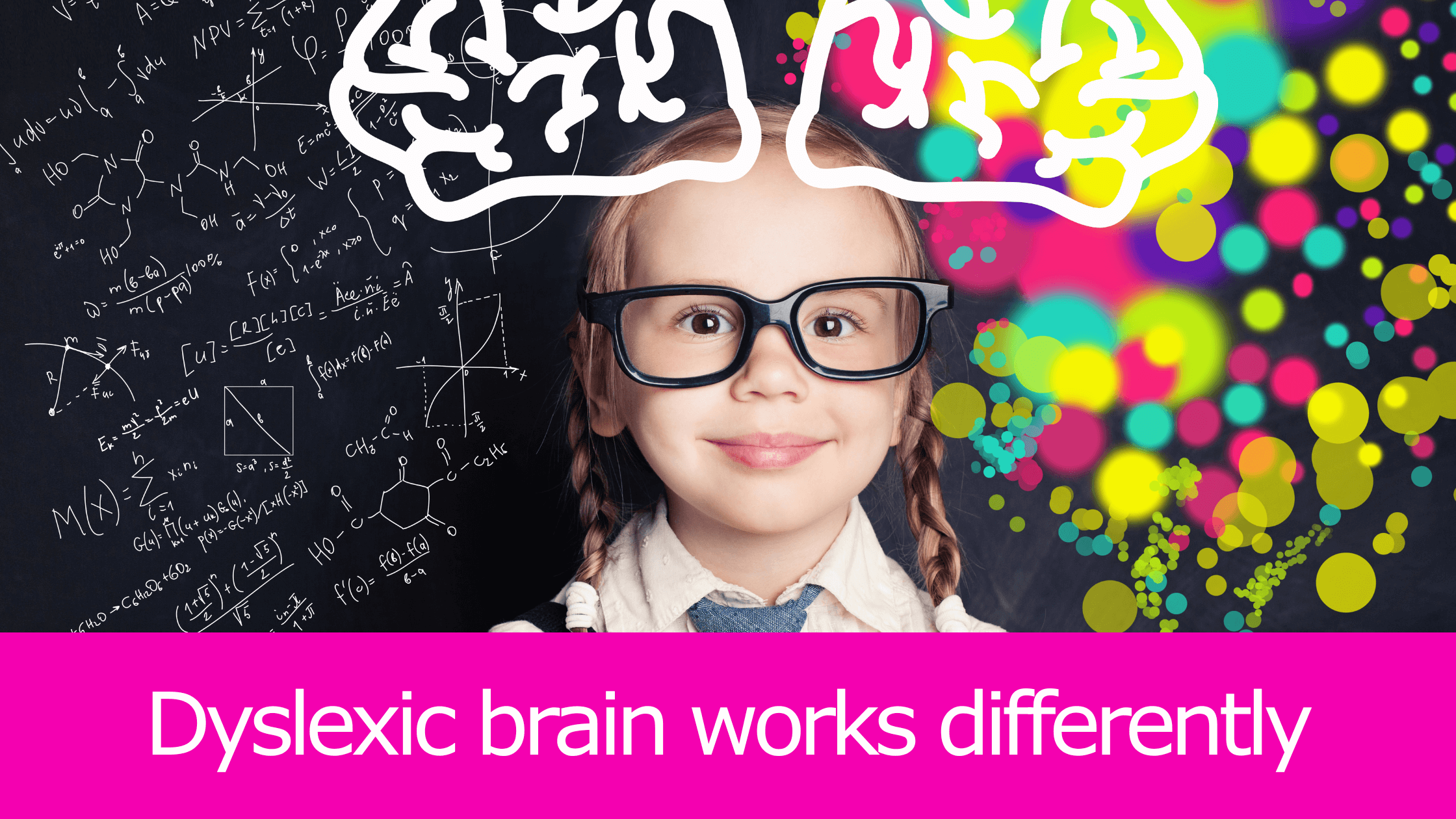
Your child is not broken. They’re not behind. They’re not less.
They’re different, brilliant, and destined for greatness.
Welcome to the adventure.
With love and understanding,
Pauline
Dyslexic adult, proud of every struggle that led to every success.
Feel free to reach out to me at pauline@paulinefindlay.com
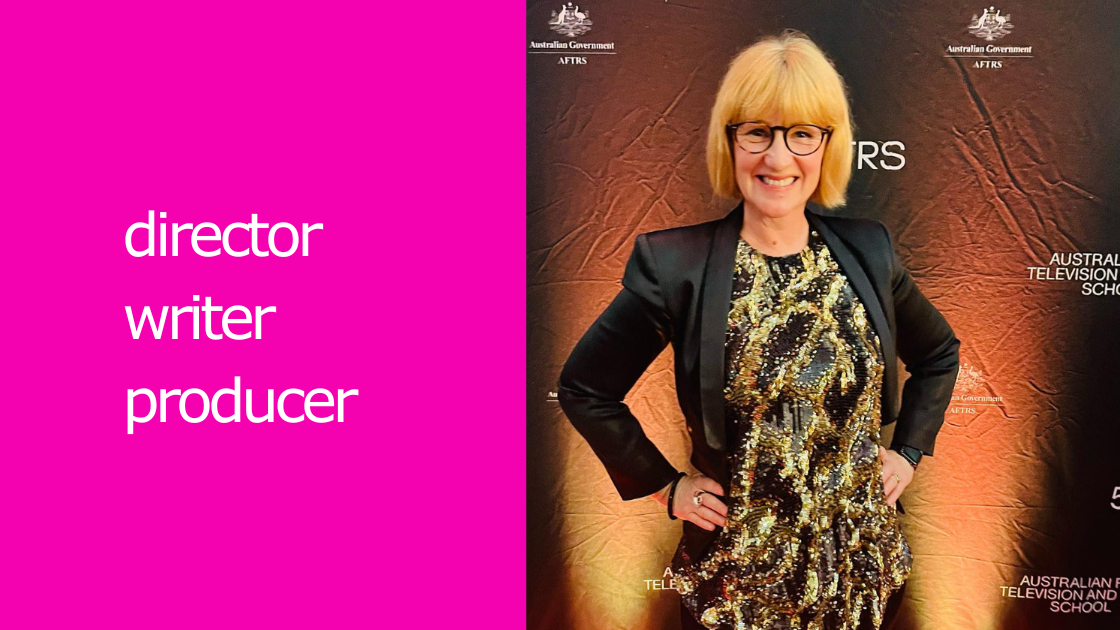
I’m a dyslexic filmmaker, author, story mentor and educator. Yes, I see things differently and so does your child.
I’m available for key-note speeches and can facilitate programs at schools for students, teachers and parents so they can better understand the gifts of dyslexia.
I work with people from all backgrounds. I’ve taught students with mental health issues, cerebral palsy, neurodivergent, deaf and hard of hearing since 2013.
All my courses are accessible. The videos are closed captioned and transcribed. Learn More.
Feel free to reach out to me at pauline@paulinefindlay.com